




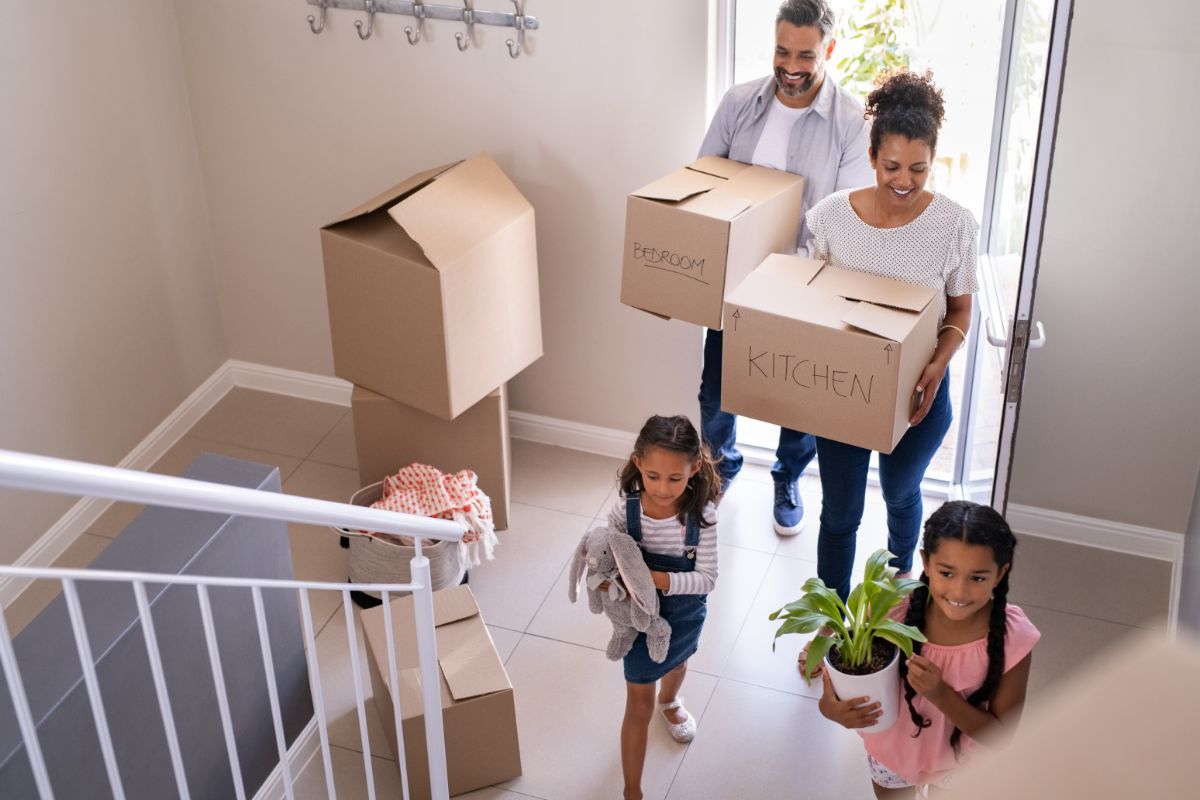

Being busy and being organised can look very similar during a house move. You can spend a whole evening shifting boxes from one corner to another without getting any closer to having a room ready. Then, at the new place, the same boxes start another tour because nobody quite knows where they belong.
Moving house efficiently is about reducing those repeated jobs. Think about what you will need at each stage, give belongings a clear destination and agree on the handover between people helping. You can still expect a few muddled moments, but a sensible order makes the work easier to pick up and finish.
Plan the Unpacking Before You Pack
Start with a rough picture of how you want to use the new home. Decide which room will hold your desk, where clothes will go and which furniture needs setting up first. That gives your packing labels a purpose beyond describing the room you are leaving.
Write a short priority list for arrival. Sleeping, washing and preparing something simple to eat usually deserve attention before ornaments and spare books. If you need to work the next morning, your work equipment belongs on that list too.
Use these priorities to divide belongings into things needed immediately, things needed during the first week and things that can wait. Mark boxes accordingly, alongside their contents and destination. You will be able to choose the next useful job without opening everything to see what is inside.
Pack Complete Groups Rather Than Random Gaps
It is tempting to put any small object into the nearest space in a box. That can leave the printer cable with the bedding and a single shoe beside the saucepans. Try to keep items together when you will need them together at the new home.
Pack desk accessories as a group, keep bedding sets together and put the pieces of each dismantled item in a clearly labelled package. Use suitable cushioning and manageable box sizes, even if that means leaving space rather than squeezing another heavy object inside.
Finish each box before starting several more. Seal it, label it and place it in an agreed area that leaves access routes clear. Having a few completed boxes is more useful than a floor full of open ones that still need decisions.
Use One Simple Record for the Move
You don’t need a complicated inventory of every teaspoon. A numbered box list can still be useful for the belongings you particularly want to track. Record the number, room and a brief description in a notebook or shared document, then write the same number on the box.
Add separate notes for larger furniture, fragile items and anything travelling with you. Keep booking details and contact numbers in the same accessible place. That makes it easier for another household member to answer a question without waiting for you to remember everything.
Photograph cable connections and furniture arrangements where you will need a reminder. Keep important personal documents and valuable belongings with you rather than putting them into the general load. The list should help the move, so keep it simple enough that you will actually update it.
Agree on the Transport and Loading Plan
Once the load is clearer, confirm what the transport booking covers. If you are hiring a man with van in London, explain the amount of furniture, the addresses and the help required at each property. Check the vehicle size, team size and whether any dismantling has been included.
Tell the movers which belongings you will need early at the destination, but let them plan a safe load rather than trying to dictate where every box must sit. Find out how essential items can remain accessible within the agreed arrangements. Keep your own first-night bags separate so they don’t depend on the loading order.
Make sure access information reaches the people doing the job. For local help, you might search for man and van Canning town when planning a move involving that area. Follow up with the actual entrance, floor, carrying distance and any building arrangements for your addresses. A local search is only the start of planning a specific move.
Close Down Each Room as You Go
Before the van arrives, check each room for unfinished jobs. Empty furniture where required, remove small loose items and keep fixtures that are staying clearly identified. Leave the basic things you still need accessible, with a bag or box ready for them when you finish.
As rooms are cleared, do the final check while you can see the space properly. Look inside cupboards, behind doors and on windowsills. Avoid returning loose belongings to rooms you have already checked, or you will end up doing the same inspection twice.
Give everyone a clear responsibility for the last stages. One person might check the rooms while another handles personal bags and keys. If children or pets will be present, arrange for someone to look after them away from loading activity rather than assuming everyone can keep an eye out at once.
Set Up the Big Items Before Opening Boxes
At the new home, show the team where the larger furniture belongs before filling the floor with cartons. A bed frame is much easier to position when you aren’t stepping around bags of clothes. Check that doors, drawers and walkways will still work with the furniture in place.
Place boxes in their destination rooms, keeping routes and exits clear. Resist opening several boxes simply because they are nearby. Start with the ones that support your arrival priorities, and set aside the less urgent things until there is room to deal with them properly.
If you are unsure about storage, our storage ideas for a clutter-free home offer ways to use furniture and available space. It helps to understand what you need to store before buying organisers that may not fit the cupboards.
Unpack Until a Space Works, Then Move On
A useful first target is a working space, rather than a perfectly finished room. In the bedroom, that might mean the bed is ready, tomorrow’s clothes are accessible and a lamp is plugged in safely. In the kitchen, it means being able to make a drink and a simple meal.
Deal with empty packaging as each box is finished. Flatten cartons, keep reusable materials together and follow the local arrangements for recycling or disposal. Leaving empty boxes mixed with full ones makes it surprisingly difficult to tell what work is still waiting.
Use a small, clearly defined place for items that need a decision, and review it regularly. If you let those things spread across every surface, the house can feel half-unpacked for weeks. Give each one a destination, a next action or a clear reason to keep it aside.
Review the System After a Few Ordinary Days
The best position for something on moving night might not be the best position once normal life resumes. Notice what you keep reaching for, where bags are being dropped and which cupboard nobody can use comfortably. A few small changes now can save a daily nuisance later.
Finish the remaining boxes in short sessions and keep track of the jobs that genuinely need attention. There is no prize for finding every picture hook before you have eaten dinner. An efficient move leaves you with less repeated work and a home you can use, even while the final details are still coming together.
*This is a collaborative post